Produce that is NATIVE to a particular region and consumed by the Local people, is generally termed as LOCAL FOOD. This food will vastly benefit the natives of that particular region. Local Foods will directly impact the economy of it’s locality, it will benefit its local consumers since food is more accessible and freshly consumed, it increases local workforce, and protects local biodiversity.
Local Foods or Produce constitute of fruits, vegetables, pulses, meats/ meat products and food-brands that are marketed , distributed, promoted in, and developed, for a relatively small and restricted geographical area. These products will largely benefit it’s local consumers since they’ve been created or modified to support the needs of it’s people. Local produce by Local farms and farmers are grown on a relatively smaller scale as compared to farms that produce to export or produce export-quality-food. Foods produced locally, will reach it’s buyers within 24 hours of harvesting, this means that our body gets the highest nutritional value possible. Since, the food reaches the consumers quickly, there are lesser (if not *none*) preservatives and fertilizers added to grow the produce and keep them fresh after harvesting.
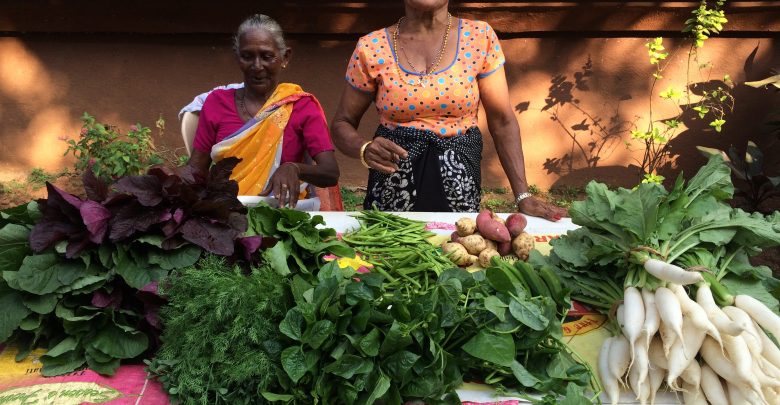
75% of the global food supply comes from just 12 plant and five animal species. Some of these 12 plants/ plant-products consist of onions, tomatoes, potatoes, rice, wheat, sugarcane, corn, soy bean and bananas, as you can see these are staples from most of our homes. Imagine if we stuck to just our local vendors and depended on them to provide for us. Every time we buy produce from someone other than a local producer, our money leaves the local economy. By shopping locally we keep money in our area, which helps us to sustain local producers and create local jobs.
There are many benefits to buying locally grown food, and each person/ family that makes this choice promotes Locally grown food which creates economic opportunities, provides health benefits, helps to reduce environmental impact and improves local biodiversity.
Some of these benefits are elaborated below:
More Accessible and Fresher Produce– It’s easy for producers to bring their products to their consumers because their consumers are nearby. By buying and eating local, consumers are able to enjoy produce that is fresh and nutritious. Many local producers pride themselves on keeping their product organic, hormone free and pesticide free. Not only is this beneficial to the consumer, it is also beneficial to the environment. Keeping harmful toxins, like pesticides, out of the air helps to improve crops and air quality. In addition, because the produce is fresh and brought directly from farm to table, there is less waste. Many large retailers have significant food waste due to items going bad before they are bought. On a smaller scale with a more direct farm to table approach, this food waste is cut down.
Environmental Impact– Consuming local produce means that your food hasn’t traveled miles to get to your plate. This also means that there will be lesser chances of overseas shipping or plane travel and higher chances of on-road truck travel creating local jobs. Local produce will require fewer packing facilities or refrigeration since the food travels from source to consumer within a few hours.
Protects Local Land & Wildlife-Buying local also helps to protect local lands and wildlife. By buying local produce, we support local farmers and producers, With this support, these farms are able to stay in operation. Without our support, local farmers and producers are forced to sell this land to local developers. These Local developers could completely transform the land, devastating the BIODIVERSITY that calls it home. Or, big business producers could buy out the farm and incorporate inhumane and non-Eco-friendly farming practices. Or, convert agricultural land into non-agricultural land which could either be used as residential area or commercial land… either way, halting the natural flow of nature.
Consuming local food means ‘consuming what is meant to be consumed‘ in our specific climatic conditions. This means that farmers will depend on the seasons to grow specific foods. Check out the link below that speaks about seasonal produce –> https://pawsquillsandchlorophyll.art.blog/2020/05/19/seasons-greetings/amp/
Please tap the follow button at the end of this Blog. Or, subscribe via e-mail. Share with anyone else who you think needs to read this. Hope this blog teaches you as much as it taught me.
love, Ingrid.
 Paws, Quills and Chlorophyll
lovely read 🙂
looking forward to reading more articles 🙂
LikeLiked by 2 people
This is so beautiful and informative!
LikeLiked by 2 people