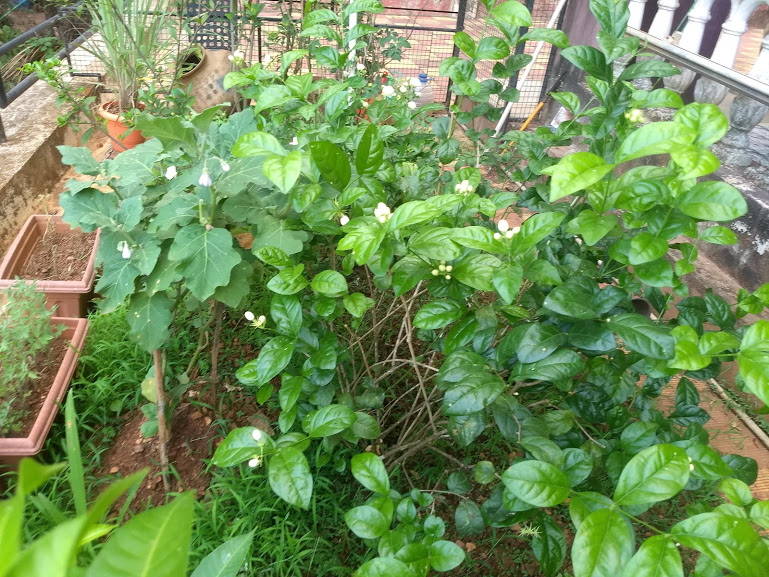
Growing things is much easier if you are aware of the sort of climate and condition you live in, and the sort of conditions that the specific plant species requires. Starting out a gardening journey should begin with plants that are locally grown. This should ensure growth of your seeds or saplings, which will reduce your chances of ending up disappointed and encourage you to grow more.
There are four primary factors that affect plant growth: light, water, temperature and nutrients. These four elements affect the plant’s growth-hormones, making the plant grow either quickly or slowly. Change in any of these four factors can cause the plant to stress which either stunts it’s growth or improves growth.
Some factors that we can control are:
- SOIL: Sand, Silt and Clay are the 3 major mineral particle components in the soil, these can vary the pore space in the soil. This Pore space determines the amount of air and oxygen in the soil, as well as the drainage rate and soil’s capacity to hold nutrients. Soil pH affects whether minerals and nutrients will be available to benefit plants. Before a nutrient can be used up by a plant, it must be dissolved in the soil solution. Most plants prefer a slightly acidic soil to neutral soil. Rainfall amounts in most cases affect soil acidity. This may not always be true since other factors also determine the soil pH.
- Sunlight: Most vegetables need at least 6 to 8 hours of direct sunlight –without blockage from trees, shrubs, or fences. Sunlight will alter the plant’s growth-hormones, you won’t have much success if you plant sun-loving vegetables in shady spaces, or shade-loving plants in a sunny space.
I am no professional, I’ve just taken full advantage of the availability of knowledge via the internet. Along with experimenting with different seeds, soils, brands and seasons.
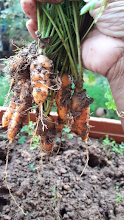
This might not be rocket science, but I’ve figured out some plants to add to your kitchen garden that can be regrown, from vegetable scraps that we’d otherwise throw away, specifically Mint and Spinach. Regrowing either of the two, requires well drained, slightly acidic soil.
In order to Regrow Spinach, ensure that the spinach stalks are healthy and have roots. These are shade loving plants, however once planted in soil , should be kept in direct sunlight for a day or two. After which The pots must be kept away from direct sunlight or shade must be provided, if not the leaves will tend to grow with holes.

You can see that I have used up the larger leaves and left in the baby Spinach leaves on the stems 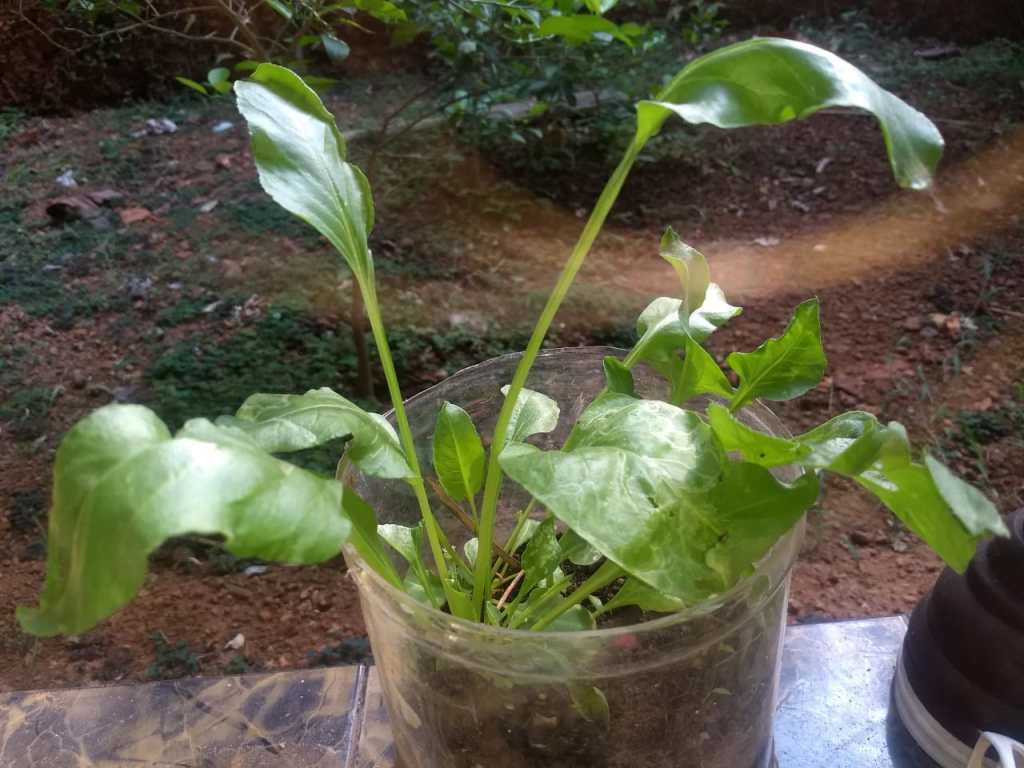
In a week or two the Spinach should look like this
Regrowing Mint, will require mint stalks, once the larger leaves are removed. Mint stalks must be soaked in water for a day or two before planting them in the soil.
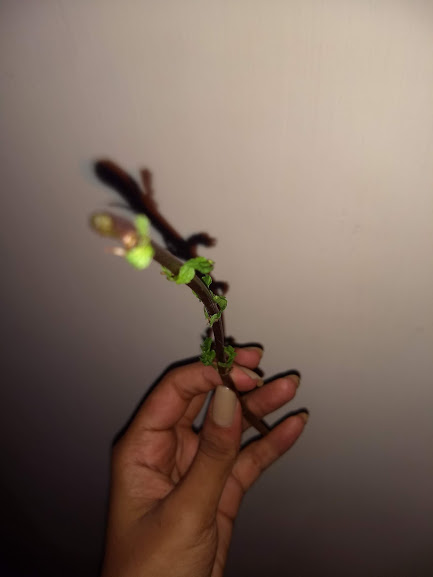
larger leaves can be removed and consumed, leaving only the stem and tiny leaves (if any) 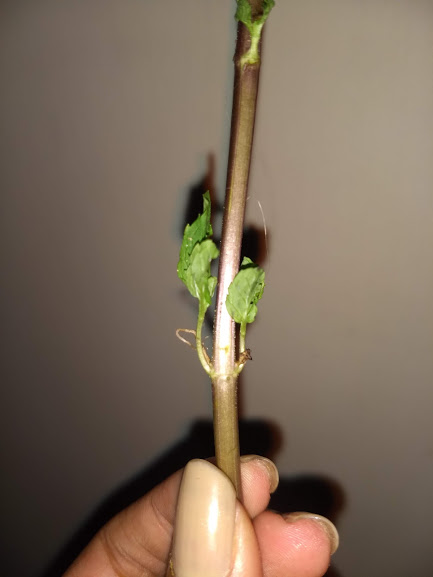
this is what the mint stalk should look like after soaking in water. Roots will be visible near the new leaves, this is when you know the stalks are ready to plant 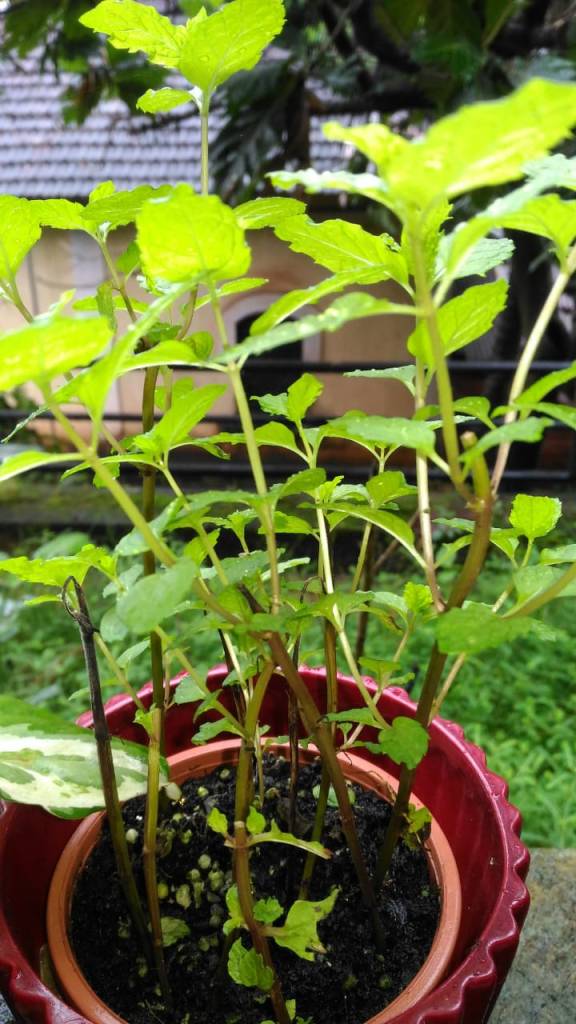
in 2-3 weeks, mint should be ready to use. Snip off the tops to consume.
Keep in mind that not all Mint or Spinach stalks will flourish and that’s okay. Make sure you remove any stalks that begin to rot or show any signs of drying out and eventually dying.
I’d recommend growing fruits and vegetables that are native or locally produced. These plants will require less attention and effort while growing. Plus, they’re far more beneficial to combat climate change and aid our local biodiversity. To know more about how Local or native plants impact our lives and our environment, Hit the follow Button!
 Paws, Quills and Chlorophyll